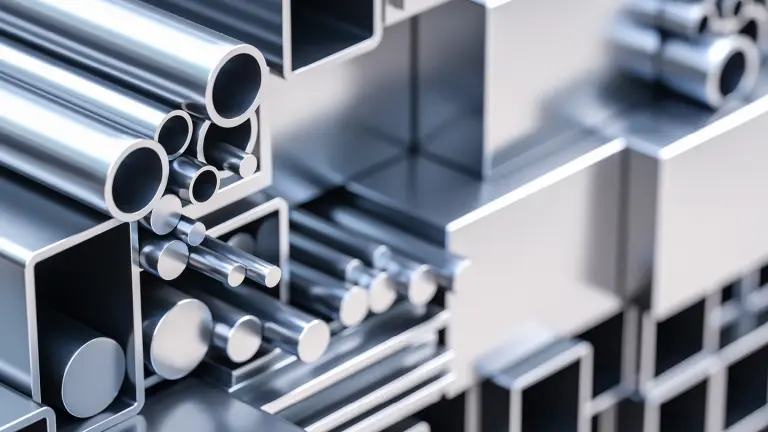
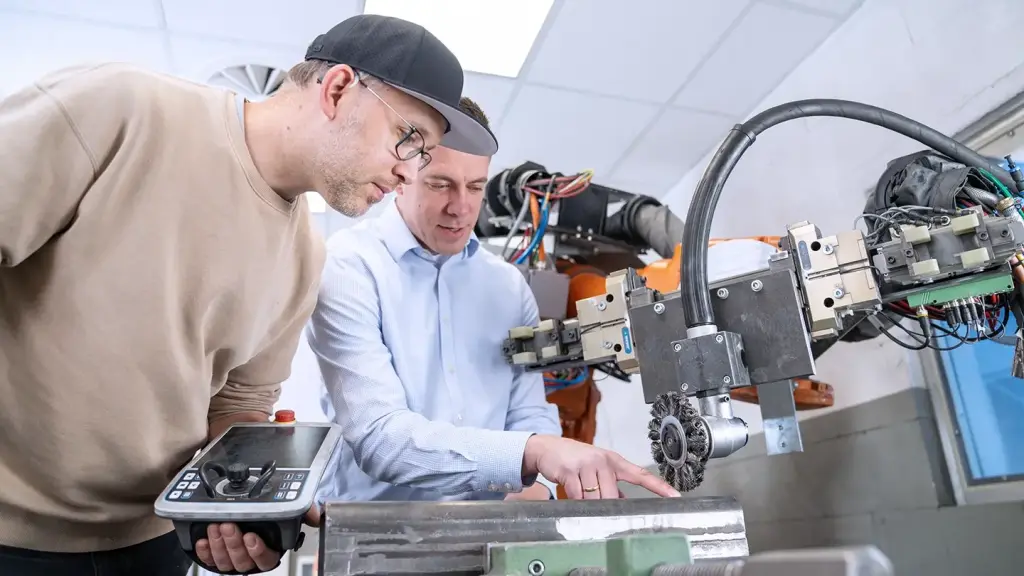
Stainless steel (INOX) is characterized in particular by its corrosion resistance, but also its toughness, high mechanical strength and exceptional aesthetics. Due to its outstanding material properties, stainless steel offers many application possibilities, but also places particular demands on grinding tools.
What is corrosion?
Corrosion refers to a natural, electrochemical or chemical degradation of metals due to their reaction with the environment. It attacks the material and destroys it either partly or fully.
In industrial applications in particular, corrosion causes significant financial damage as it compromises the functionality, safety and durability of components.
Is corrosion the same as rust?
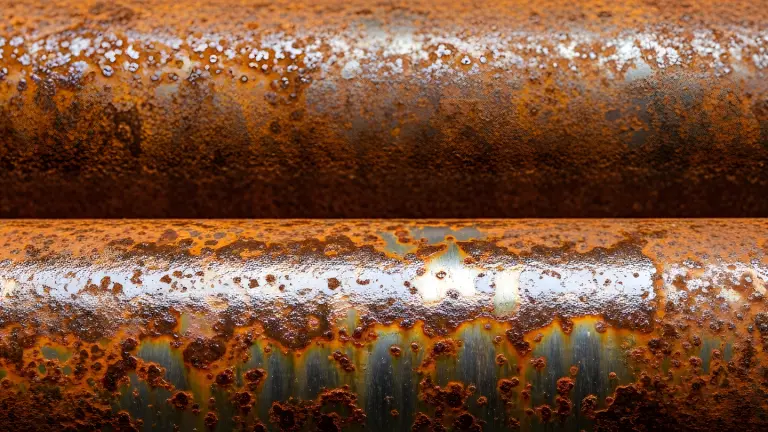
Not entirely. Rust is a specific form of corrosion which occurs on non-alloyed or low-alloyed steel due to the reaction with oxygen and moisture. However, stainless steel corrodes differently.
When it comes to INOX, professionals tend to talk of intercrystalline corrosion, crevice corrosion or pitting corrosion, depending on what caused it and what it looks like. Rust as a brown, porous deposit usually only occurs on stainless steel if the surface is contaminated or damaged.
When does corrosion occur?
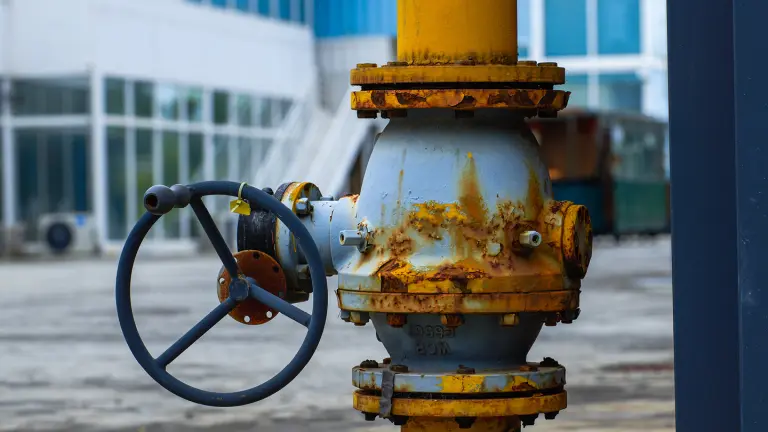
Corrosion on stainless steel often occurs when the protective film of chromium oxide on the surface is damaged, for example due to mechanical impacts, thermal loads or foreign particles such as iron dust. Aggressive media such as chlorides or acidic substances can also attack the passive layer.
One typical cause is the use of incorrect or unsuitable grinding and brushing tools which transfer foreign material to the workpiece or which change the surface because too much heat builds up.
Why must corrosion be prevented?
Corrosion doesn’t just look unsightly, it also compromises the technical integrity and hygienic properties of the component – crucial aspects in sensitive environments such as the food industry, medical technology, apparatus construction or the chemical industry.
It can cause leaks, impaired functionality or, in the worst-case scenario, safety-critical failures.
What are the different types of corrosion?
Corrosion on stainless steel takes different forms depending on the load, material and ambient conditions:
- Pitting corrosion: small holes in the surface, usually caused by chlorides.
- Crevice corrosion: in confined gaps, e.g. under seals or fasteners.
- Intercrystalline corrosion: along the boundaries of the grain, in particular after incorrect thermal loads.
- Contact corrosion (galvanic corrosion): when stainless steel comes into contact with less noble metals.
- Surface corrosion: uniform degradation of the metal over large areas.
How to prevent corrosion 1:
use the right grinding tool
The first step to prevent corrosion is to select the right tool. When working on stainless steel, it is crucial to only use grinding tools designed for this material – PFERD TOOLS makes this clear by the INOX or STEELOX identifier and the corresponding pictogram.
Another important factor is the build-up of heat. If too much heat builds up, this can damage the protective passive layer on the surface. For this reason, only use tools designed for stainless steel with the largest possible grain or precision-formed high-performance abrasive such as VICTOGRAIN.
How to prevent corrosion 2:
follow the correct procedure when working
Even while you are working, there are many steps you can take to prevent corrosion-related problems. Always work using a low contact pressure and in oscillating movements, particularly on thin-walled components. This will prevent heat-related discolouration.
If you previously used a grinding tool on steel, it must not be used on stainless steel. Doing so could transfer adhering steel particles to the workpiece, which is precisely what could cause corrosion later down the line. Additionally, grinding dust and flying sparks should not remain on the workpiece if at all possible. Flying sparks should be directed away from the workpiece and grinding dust should be removed.
How to prevent corrosion 3:
move straight on to the finishing stage
After completing the coarse grinding work, don’t wait around unnecessarily – move straight on to the finishing stage. This will help to safeguard your desired surface quality and prevent anything else affecting the passive layer.
If heat discolouration or traces of oxidation nevertheless occur while grinding, these will need to be removed in a subsequent fine grinding step. And finally: clean the workpiece thoroughly! All mechanical machining work leaves behind residue. On stainless steel, it is essential to remove this in order to restore the workpiece’s full corrosion resistance.